In the process of production and operation, small problems often hide big risks. The dripping and leakage of filling heads, especially the unexpected material seepage even in non-filling state, not only wastes materials and increases costs, but also may affect product quality and production efficiency. Today, we will focus on this tricky problem, sort out the core questions and give practical solutions.
Core Questions to Clarify First
1. Why do filling heads have dripping and leakage even in non-filling state?
2. What are the practical and efficient troubleshooting steps for this leakage problem?
3. How to fundamentally avoid the recurrence of filling head leakage?
In-depth Answers to Solve the Problem
Q1: Why do filling heads have dripping and leakage even in non-filling state?
Many people think that leakage only occurs during filling, but non-filling leakage is actually a signal of "potential failures" in the filling head system. The main reasons can be summarized into four aspects:
First, the sealing components are aging or damaged. The sealing ring, gasket and other parts in the filling head are the key to preventing leakage. After long-term use, they will be worn, aged or deformed due to contact with materials, temperature changes and mechanical friction, resulting in gaps for material seepage.
Second, the tube is blocked or damaged. The tube that transports materials to the filling head may be blocked by residual materials, which will cause abnormal pressure in the pipeline. Even in non-filling state, the pressure will push the material to seep out from the gap of the filling head. In addition, the damaged tube will also lead to material leakage.
Third, the filling head valve is faulty. The valve is the "switch" that controls the material outflow. If the valve core is stuck, worn or not closed tightly, it will not be able to completely cut off the material flow, resulting in continuous dripping and leakage.
Fourth, the pressure adjustment is improper. If the pressure in the material storage tank or pipeline is too high, even if the filling head is in the closed state, the excessive pressure will make the material seep out through the sealing gap.
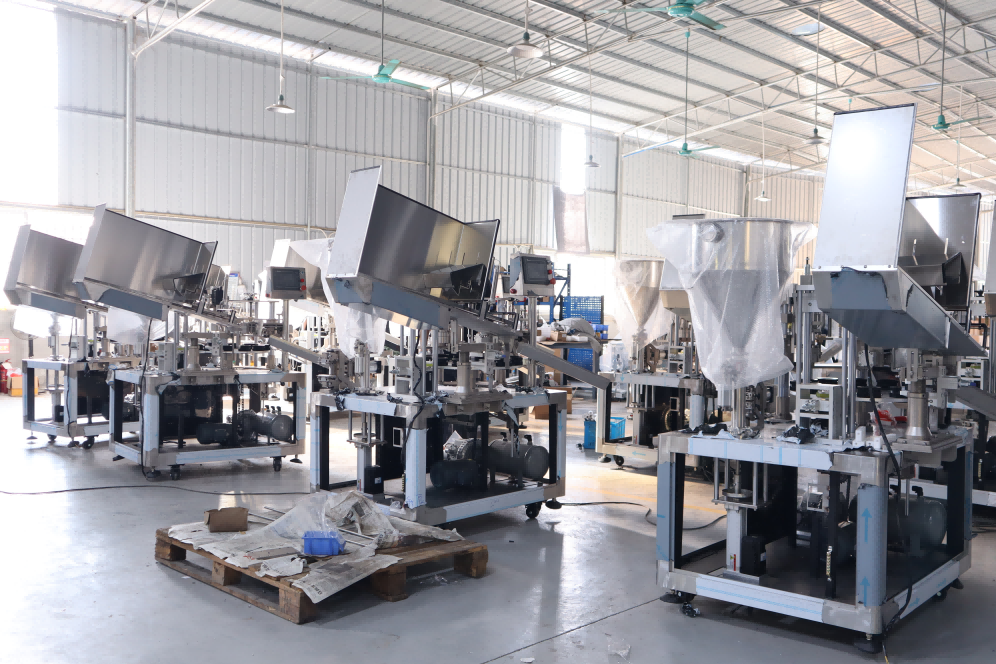
Q2: What are the practical and efficient troubleshooting steps for this leakage problem?
Troubleshooting should follow the principle of "from simple to complex, from surface to internal" to avoid blind disassembly and damage to parts. The specific steps are as follows:
Step 1: Stop production and cut off the material supply. Before troubleshooting, it is necessary to stop the operation of the filling equipment and close the material supply valve to ensure that no new material enters the filling head, so as to avoid the expansion of leakage and ensure the safety of operators.
Step 2: Conduct visual inspection and preliminary judgment. Observe the leakage position of the filling head first. If the leakage is at the connection of the tube, check whether the tube is loose, damaged or blocked. If the leakage is at the front end of the filling head, focus on checking the valve and sealing components.
Step 3: Check and replace the sealing components. Disassemble the filling head, take out the sealing ring, gasket and other components, and check whether there are signs of aging, wear, deformation or damage. If any problem is found, replace them with new ones of the same specification in time. It is recommended to choose high-quality sealing components such as jiaren to ensure better sealing performance and service life.
Step 4: Clean and inspect the tube. Remove the tube connected to the filling head, clean the residual material inside the tube with a professional cleaning agent, and check whether the tube is cracked, aged or blocked. If the tube is damaged or severely blocked, replace it with a new tube in time.
Step 5: Inspect and maintain the valve. Disassemble the valve of the filling head, check whether the valve core is stuck, worn or has foreign bodies. Clean the valve core and valve seat, and apply an appropriate amount of lubricating oil if necessary. If the valve is severely worn, it should be replaced in time.
Step 6: Adjust the pressure of the pipeline. After completing the above inspections and replacements, turn on the material supply valve, adjust the pressure of the storage tank and pipeline to the normal working range, and test run the filling equipment to check whether the leakage problem is solved.
Q3: How to fundamentally avoid the recurrence of filling head leakage?
Solving the current problem is only a temporary solution; preventing recurrence is the fundamental. We should establish a "preventive maintenance" awareness instead of waiting for problems to occur before dealing with them.
First, formulate a regular maintenance plan. According to the usage frequency and working environment of the filling equipment, formulate a detailed maintenance plan. It is recommended to check the sealing components, tube and valve of the filling head every 1-2 months, and replace the vulnerable parts such as sealing rings regularly.
Second, strengthen the training of operators. Let the operators master the correct use method of the filling equipment, understand the common fault signals and simple troubleshooting methods. At the same time, guide the operators to observe the operation status of the equipment at any time during the work process, and report and deal with abnormal situations in time.
Third, choose high-quality equipment and parts. The quality of the filling head, tube, sealing components and other parts directly determines the probability of leakage. When purchasing equipment and spare parts, do not only pursue low prices, but should choose products with reliable quality and good after-sales service, such as high-quality jiaren parts and tubes, which can reduce the occurrence of faults from the source.
Fourth, record and summarize fault cases. For each filling head leakage problem, record the cause of the fault, the troubleshooting process and the solution. Regularly summarize these cases, find out the common problems and improvement directions, and continuously optimize the maintenance and use plan of the equipment.
In the production process, there is no trivial matter. The dripping and leakage of filling heads may seem like a small problem, but it is related to the cost control, product quality and production efficiency of the enterprise. Only by paying attention to these details, doing a good job in preventive maintenance and solving problems in a timely and effective manner, can we ensure the stable operation of the production line and create more value for the enterprise.


